
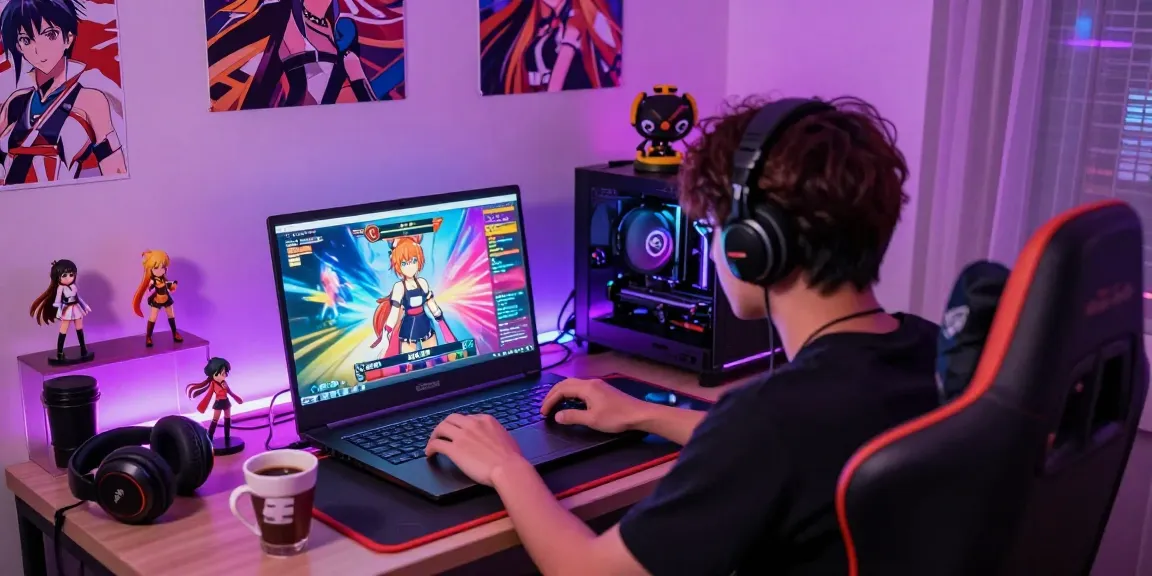
Understanding the Hentai Game Landscape
The world of hentai games represents a vibrant niche within the broader gaming industry. As technology advances, these games are increasingly accessible via browsers and mobile devices, catering to a diverse audience. From narrative-driven experiences to interactive gameplay, the genre has evolved significantly, particularly in 2026. The proliferation of online platforms has made it easier than ever for players to engage with high-quality hentai games, enhancing user experience and engagement.
As players seek new, exciting ways to indulge in their interests, hentai game offerings have expanded immensely. This article delves into the key aspects of the hentai gaming landscape, exploring its definitions, audience demographics, and the rise of browser-based gaming that characterizes this unique genre.
What Defines Hentai Games?
At their core, hentai games are adult-themed video games that often feature explicit content and sexual themes. These games typically blend storytelling with adult entertainment, engaging players through character interactions and scenarios that are often graphic in nature. Unlike traditional gaming genres, hentai games prioritize visual aesthetics and narrative depth, allowing players to explore complex characters and storylines while indulging in adult content.
The Rise of Browser-Based Gaming in 2026
With advancements in internet speed and browser technology, browser-based gaming has seen a renaissance in 2026. No longer limited by hardware constraints, developers are creating rich, immersive hentai games that run smoothly in browsers. This shift allows players to access content seamlessly, whether on desktop or mobile devices. The convenience of browser gaming has attracted a new demographic of players who appreciate both accessibility and variety.
Target Audience and Player Demographics
The target audience for hentai games is diverse, spanning various age groups and interests. While the primary demographic consists of adult males, there is a growing female audience and a considerable number of players who identify as LGBTQ+. This broadening appeal is a testament to the genre's evolving nature; developers are increasingly focusing on inclusive storytelling and character diversity to attract a wider audience.
Key Metrics for Measuring Hentai Game Success
To gauge the success of a hentai game, developers must rely on various key metrics. Understanding these metrics is crucial for enhancing player experiences and optimizing content delivery. Here, we explore essential engagement metrics, player retention rates, and effective monetization strategies.
Engagement Metrics: What to Monitor
Engagement metrics play a pivotal role in assessing how players interact with a game. Key performance indicators (KPIs) include:
- Active Daily Users (ADU): The number of unique users who engage with the game daily.
- Session Length: Average time spent by players in-game per session.
- Interactions: Frequency of player actions, such as choices made in storylines.
- Content Shares: How often players share experiences on social platforms.
Monitoring these metrics helps developers understand player preferences and behaviors, enabling better game design and marketing strategies.
Analyzing Player Retention Rates
Player retention is critical for any game’s longevity. Retention rates indicate how well a game can keep players engaged over time. High retention rates suggest players find the game enjoyable and worthwhile. Developers should focus on optimizing onboarding processes and offering regular updates to maintain interest. Utilizing push notifications for new content releases can also enhance retention rates significantly.
Revenue Generation and Monetization Strategies
Monetization in hentai games can vary widely, incorporating methods like:
- Freemium Models: Offering free access with optional paid content.
- In-Game Purchases: Allowing players to buy cosmetic upgrades or story expansions.
- Subscriptions: Charging a recurring fee for exclusive access to content.
Understanding which strategy aligns best with the audience’s willingness to pay can significantly impact a game's financial success.
Best Practices for Enhancing Hentai Game Engagement
Creating an engaging hentai game requires a blend of compelling storytelling, character development, and community involvement. Below, we explore best practices that can enhance player engagement and satisfaction.
Creating Compelling Storylines and Characters
The cornerstone of any successful hentai game is a captivating storyline and well-developed characters. Players are more likely to engage with games that offer intriguing plots, relatable character arcs, and emotional depth. Incorporating player choices that significantly affect the storyline can also boost engagement, making players feel invested in the outcome.
Utilizing Feedback Loops for Game Development
Feedback loops allow developers to gain insights from players during the game development process. Actively seeking player feedback can lead to improvements in gameplay, storylines, and overall user experience. Implementing player suggestions can also create a sense of community and loyalty among the audience.
Leveraging Community Engagement and User-Generated Content
Community engagement is vital in today’s gaming landscape. Encouraging players to share their experiences and creations can foster a vibrant community around a game. User-generated content, such as fan art, mods, or custom scenarios, not only enhances player investment but also provides developers with insights into player preferences.
Challenges in the Hentai Gaming Industry
Despite its growth, the hentai gaming industry faces several challenges. Addressing these issues is crucial for the genre's continued evolution and acceptance within the broader gaming community.
Addressing Stigma and Misconceptions
Hentai games often grapple with stigma and misconceptions. Many players face social judgment for their gaming preferences, which can deter new players from exploring the genre. Developers and community leaders must work to normalize conversations around adult content in gaming, emphasizing artistic expression and narrative depth.
Navigating Legal and Ethical Considerations
Legal issues are a significant concern in the hentai gaming industry. Developers must navigate complex laws concerning adult content, which can vary widely between jurisdictions. Adhering to ethical guidelines around representation and consent is also paramount to maintaining a positive reputation and ensuring player safety.
Technical Challenges in Game Development
Developing hentai games presents unique technical challenges. Balancing graphic content with gameplay mechanics requires skillful design and programming. Ensuring that games run smoothly across multiple browsers and devices is essential for player satisfaction, necessitating rigorous testing and optimization processes.
Future Trends in Hentai Gaming
As we move through 2026, several trends are emerging that could shape the future of hentai gaming. Understanding these trends will help developers adapt and thrive in an evolving market.
Emerging Technologies Shaping the Industry
Emerging technologies, such as artificial intelligence (AI) and machine learning, are beginning to influence game design. These technologies can create adaptive storylines that respond to player behavior, enabling a personalized gaming experience. Additionally, advancements in graphics and animation technologies enhance the visual appeal of hentai games, attracting a broader audience.
Predictions for Player Preferences in 2026
As gaming preferences shift, players are expected to demand more immersive experiences. Games that combine captivating narratives with interactive elements are likely to rise in popularity. Furthermore, players are showing an increasing interest in morality systems where choices lead to diverse outcomes, bridging the gap between adult content and meaningful storytelling.
Impact of VR and AR on Hentai Gaming Experiences
The integration of virtual reality (VR) and augmented reality (AR) technologies into hentai gaming is set to revolutionize the genre. These technologies create immersive environments where players can engage with characters and storylines in entirely new ways. As VR and AR become more accessible, we can expect a surge in innovative hentai games that push the boundaries of traditional gameplay.
What are the common misconceptions about hentai games?
Common misconceptions about hentai games include views that they are merely shallow, lacking in quality narrative or artistic value. In reality, many hentai games feature intricate storytelling, developed characters, and artistic contributions akin to mainstream games. Demystifying these perceptions can help broaden the genre's audience.
How can developers enhance player engagement in hentai games?
Developers can enhance player engagement by focusing on interactive storytelling, character development, and community involvement. Gathering player feedback and incorporating user-generated content can also create a more immersive and engaging experience, making players feel valued and heard.
What ethical considerations should developers be aware of?
Developers must be mindful of ethical considerations regarding consent, representation, and inclusivity. It’s essential to ensure that characters and scenarios reflect diverse experiences and do not perpetuate harmful stereotypes. Transparent dialogue about themes and content can help players navigate the complexities of adult gaming.
How do monetization strategies differ in hentai games?
Monetization strategies in hentai games can differ significantly from mainstream titles. Common approaches include offering tiers of access to content, in-game purchases, and subscription models. Understanding the target audience's preferences is critical for selecting the most appropriate strategy.
What technologies are set to change the hentai gaming landscape?
Technologies such as AI, VR, and AR are set to have a profound impact on the hentai gaming landscape. These innovations promise to enhance the gaming experience through personalized interactions and immersive environments, which can attract new players and retain existing ones.