Understanding Nyonya 4D Culture
The Nyonya 4D culture is a vibrant tapestry woven from the rich history of the Peranakan community, primarily found in Malaysia and Singapore. This unique fusion of Chinese and Malay heritage is not only reflected in their customs and traditions but also in their artistic expressions, culinary delights, and communal values. The term "Nyonya" refers to the female descendants of Chinese immigrants who married local Malays, while "4D" symbolizes a deep-rooted cultural significance associated with various aspects of their heritage, including their distinct art and practices. When exploring options, nyonya4d provides comprehensive insights that illuminate this intricate culture.
What is Nyonya 4D?
Nyonya 4D can be understood as a celebration of the Peranakan culture through various mediums, particularly focusing on its artistic and socio-cultural dimensions. It encapsulates traditional practices, culinary arts, textiles, and ceremonial events that reflect the community's identity. This cultural expression emphasizes the blend of culinary techniques and ingredients, intricate designs in textiles, and the overall aesthetic that defines Nyonya heritage.
Historical Significance of Nyonya 4D
The roots of Nyonya culture can be traced back to the early 15th century when Chinese traders settled in the Malay Archipelago. Over time, these traders intermarried with local Malays, giving rise to a unique identity that integrated elements from both cultures. Nyonya 4D is significant as it serves as a living testament to this amalgamation, showcasing how traditions evolve while retaining their essence. Various artifacts, traditional costumes, and culinary recipes continue to narrate the story of their history.
Key Elements of Nyonya 4D Heritage
- Culinary Arts: Nyonya cuisine is renowned for its bold flavors and vibrant colors, often showcasing a harmonious blend of spices and techniques from both Chinese and Malay culinary traditions.
- Textiles and Crafts: The intricate designs of batik and kebaya reflect Nyonya artistry, with patterns often symbolizing cultural tales or beliefs.
- Language and Dialect: The Nyonya community often communicates in a unique creole language, which combines Malay languages with Hokkien, enriching their cultural dialogue.
Nyonya 4D Features Explained
Detailed Breakdown of Nyonya 4D Artifacts
Artifacts associated with Nyonya 4D culture serve as tangible representations of heritage. Items like antique porcelain, embroidered textiles, and traditional kitchenware not only provide aesthetic pleasure but also embody stories of the past. For instance, the exquisite craftsmanship involved in creating porcelain dishes is a reflection of historical trade relations and technological exchange that occurred in the region.
Traditional Practices and Customs in Nyonya 4D
The Nyonya community is celebrated for its adherence to traditional practices that govern various aspects of life, from marriage rituals to festive celebrations. Customary rites such as the "Cheng Beng" (a grave-sweeping festival) highlight the values placed on ancestry and family, with elaborate customs that honor the deceased while reinforcing familial bonds among the living.
How Nyonya 4D Influences Modern Culture
In contemporary society, Nyonya 4D continues to resonate, influencing fashion, culinary trends, and art. The revival of interest in heritage cuisine has seen many modern chefs experimenting with traditional Nyonya dishes, often infusing Western culinary techniques while maintaining the essence of authentic flavors. Similarly, the resurgence of traditional textiles has found its way into modern fashion, with designers highlighting the unique aesthetics of Nyonya clothing.
Community Engagement and Nyonya 4D
Roles of Families in Preserving Nyonya 4D
Family plays a pivotal role in the transmission and preservation of Nyonya 4D culture. Elders often take the responsibility of teaching younger generations about traditional practices, including cooking, crafting, and storytelling. This intergenerational transfer of knowledge ensures that the essence of Nyonya identity endures through time, fostering bonds among family members and instilling pride in their heritage.
Events and Festivals Celebrating Nyonya 4D
Vibrant festivals such as Hari Raya and the Nyonya Peranakan Festival feature prominently on the community calendar, allowing for public displays of traditional costumes, music, dance, and, of course, the culinary masterpieces that define Nyonya culture. These celebrations not only serve as a means of cultural expression but also as an opportunity for the community to engage with broader audiences, raising awareness and appreciation for their heritage.
Collaborative Initiatives in Nyonya 4D Heritage
Community engagement efforts often involve collaborations between local artisans, chefs, and cultural institutions aimed at preserving Nyonya 4D heritage. Workshops, exhibitions, and cultural exchanges foster a deeper understanding of Nyonya traditions, attracting both locals and tourists eager to learn more about this intricate culture.
Challenges Facing Nyonya 4D Culture Today
Modernization's Impact on Traditional Practices
The rapid pace of modernization has posed significant challenges for the sustenance of Nyonya 4D culture. Younger generations are increasingly drawn to contemporary lifestyles, leading to a dilution of traditional practices. The convenience of modern cooking methods, for example, has made it less common for families to engage in traditional Nyonya cooking, risking the loss of culinary techniques passed down through generations.
Common Misconceptions about Nyonya 4D
Despite its rich heritage, there are several misconceptions surrounding Nyonya culture. Some people erroneously believe it exists solely as a blend of Chinese and Malay practices without recognizing the depth and uniqueness of the Nyonya identity, which has its nuances and distinct characteristics. Educating the public is essential in dispelling these myths and promoting accurate representations of the culture.
Strategies for Cultural Preservation
Preserving Nyonya 4D culture requires proactive measures that involve the community, educational institutions, and government bodies. Initiatives that promote arts and culture education, support for local artisans, and the integration of Nyonya heritage into school curriculums are crucial for ensuring that this vibrant culture continues to thrive in future generations.
The Future of Nyonya 4D
Emerging Trends and Innovations in Nyonya 4D
As Nyonya 4D culture adapts to contemporary influences, new trends are emerging that bridge the gap between tradition and modernity. Innovations in culinary presentations, such as the fusion of Nyonya dishes with international cuisine, are gaining popularity. Additionally, contemporary artists are increasingly incorporating Nyonya motifs into their work, infusing traditional art forms with modern aesthetics.
Predictions for Nyonya 4D in 2026 and Beyond
Looking ahead to 2026, Nyonya 4D culture is expected to continue evolving while retaining its core values. Increased global interest in cultural diversity may result in greater appreciation for Nyonya heritage, leading to more initiatives aimed at promoting and sustaining this unique culture. The role of social media will also expand, allowing for broader sharing of Nyonya stories and art, appealing to younger audiences.
How to Get Involved with Nyonya 4D Initiatives
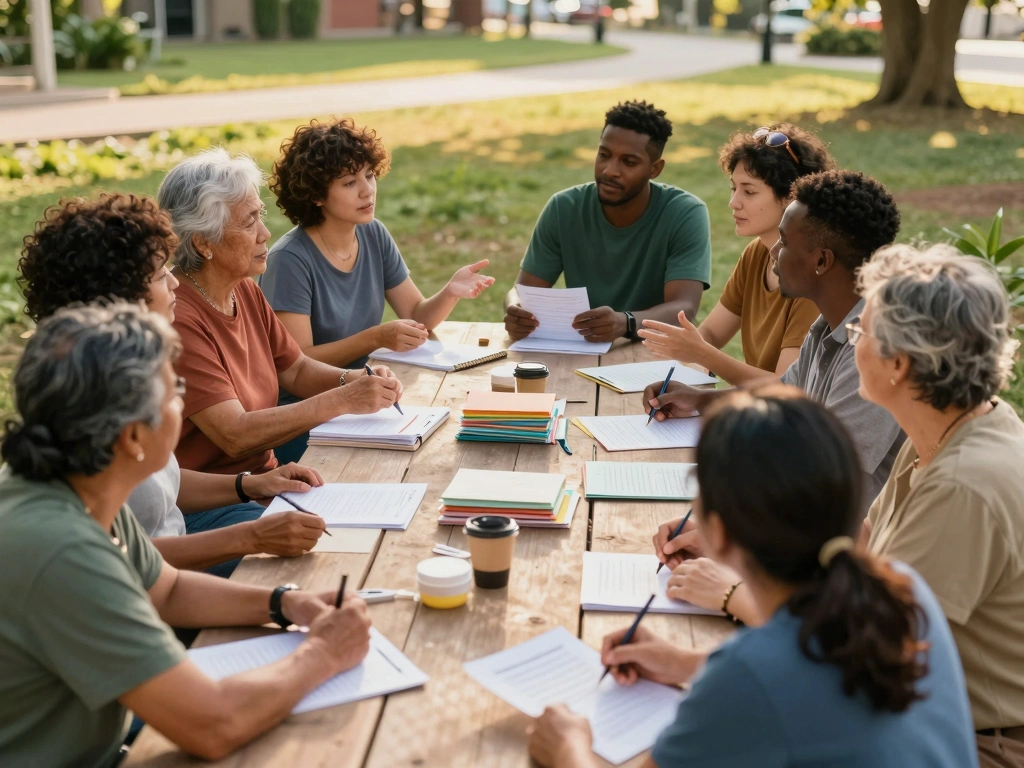
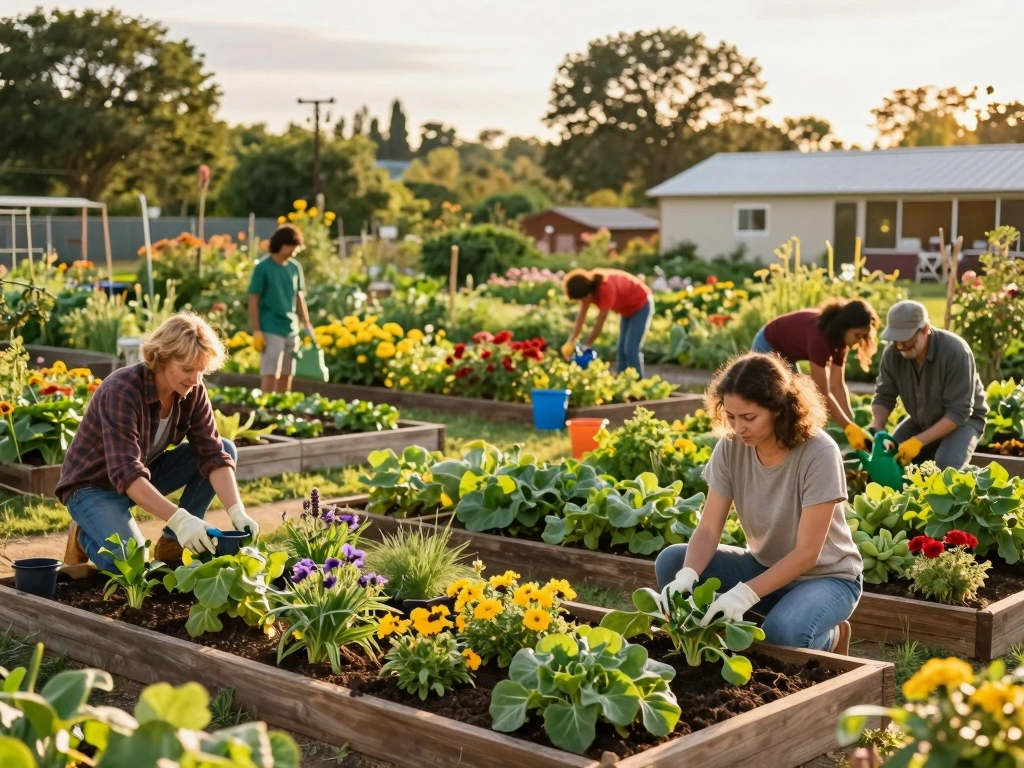
Engaging with Nyonya 4D culture can begin with attending local events, participating in workshops, and supporting businesses that promote traditional crafts and foods. Community organizations often welcome volunteers, offering opportunities to learn firsthand about Nyonya customs while actively contributing to preservation efforts. This involvement not only enriches one’s understanding but also strengthens the cultural fabric of the community.
What are the traditional dishes associated with Nyonya 4D?
Traditional dishes such as Laksa, Nasi Kandar, and Ayam Buah Keluak highlight the rich culinary heritage of Nyonya culture. These dishes often require intricate preparation and a deep understanding of spices, demonstrating the culinary skills that have been honed over generations. Each dish tells a story, linking the past to the present through taste.
How can one participate in Nyonya 4D festivals?
To participate in Nyonya 4D festivals, individuals can check community calendars for upcoming events, which often include street fairs, cultural exhibitions, and food festivals. Many festivals also offer workshops and performances where attendees can immerse themselves in Nyonya culture and connect with community members.
What role does family play in Nyonya 4D culture?
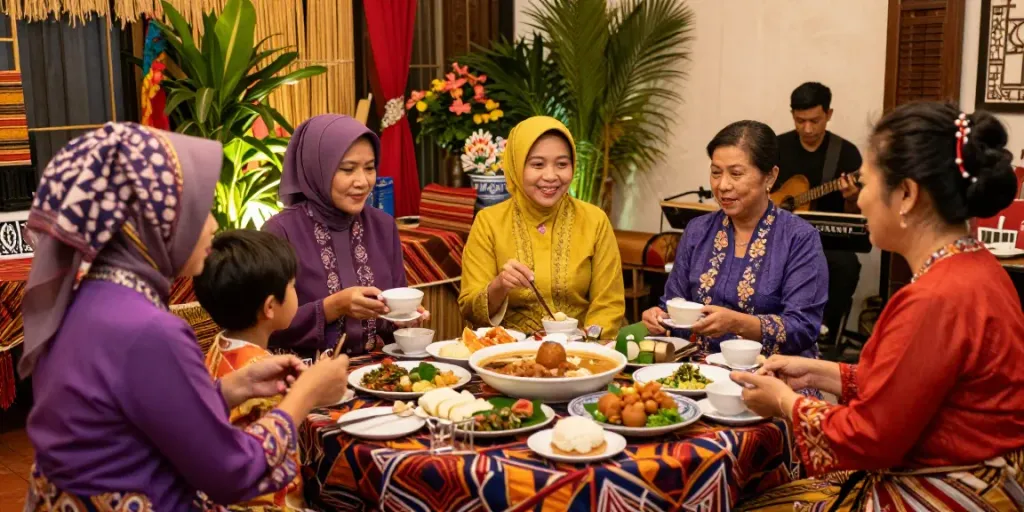
Family is central to Nyonya 4D culture, acting as the primary unit for transmitting cultural values, traditions, and practices. Family gatherings often revolve around food, where elders share recipes and stories, allowing younger generations to forge a connection with their ancestry.
What are the main challenges facing Nyonya 4D today?
The primary challenges facing Nyonya 4D today include the impact of globalization, which may lead to the overshadowing of traditional practices by modern lifestyles. Furthermore, the younger generation's increasing detachment from cultural roots presents a significant barrier to the preservation and continuity of Nyonya heritage.
How can Nyonya 4D customs be preserved for future generations?
Preservation of Nyonya 4D customs for future generations can be achieved through educational initiatives, community engagement, and the active involvement of families in cultural practices. Encouraging participation in traditional activities and providing platforms for sharing knowledge can help ensure that this rich heritage is not lost.